
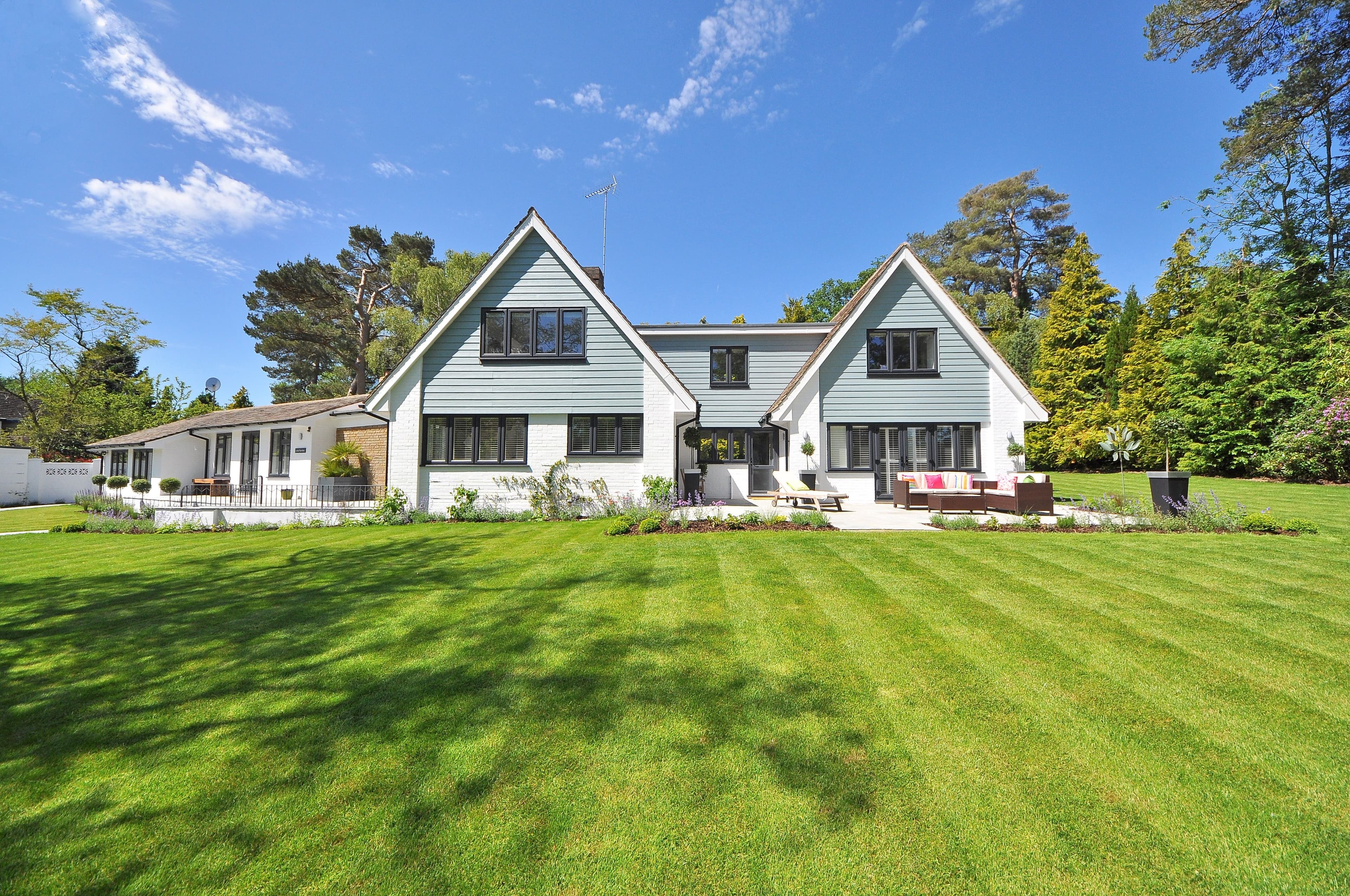
How to Design a Cooler, More Energy-Efficient Home in North Cyprus
Short answer: the most effective energy improvements usually start with the building envelope: orientation, external shading, roof and wall insulation, efficient glazing and airtight detailing. Add efficient cooling, hot-water and lighting systems after the design has reduced the amount of energy the home needs.
In a hot Mediterranean climate, comfort is not only about buying a larger air conditioner. A well-designed home keeps direct sun out, releases heat at the right time and uses efficient systems to handle the remaining demand.
1. Start with orientation and shading
Use roof overhangs, pergolas, shutters, balconies and planting to shade windows before the sun reaches the glass. External shading is generally more effective than curtains because it stops heat outside the building. Design the most-used rooms around the best daylight and the easiest solar control.
2. Insulate the roof and walls
The roof receives intense solar exposure, so roof insulation and reflective, durable finishes deserve early attention. Wall insulation, careful junction details and correctly installed windows help reduce heat transfer and make cooling systems work less hard.
3. Specify windows for the room and orientation
Large areas of glass can create beautiful views but also add glare and heat gain. Choose glazing, frame type, opening size and shading together. South- and west-facing windows often need the strongest solar-control strategy, while operable openings can support natural ventilation when outdoor conditions are comfortable.
4. Make cooling efficient and maintainable
Size air-conditioning equipment for the actual heat load rather than selecting the biggest available unit. Zone rooms so unused areas are not cooled unnecessarily, and leave accessible routes for filters, condensate drains and future servicing.
5. Treat hot water and lighting as design decisions
Plan hot-water pipe runs to reduce wasted water, insulate accessible hot-water pipes and consider solar thermal or other efficient systems where they suit the property. Use LED lighting, daylight controls and separate circuits so a room does not need to be fully lit when only one area is occupied.
6. Design for water and landscape resilience
Efficient homes also manage water well. Choose low-flow fittings, simple irrigation zones, shade trees and drought-tolerant planting. Keep roof drainage and hard surfaces planned from the beginning so heavy rain is directed safely away from entrances and foundations.
Use guidance, then confirm local requirements
The Cyprus Energy Agency highlights building energy renovations, energy standards and energy management as important parts of its 2020–2030 work. Its resources are useful background, but a North Cyprus project should be checked against the requirements that apply to its location and authority.
Best first step: ask your designer or builder to review orientation, shading, roof insulation and window specifications before you choose equipment. Reducing heat gain in the design is usually quieter, cleaner and more durable than trying to correct it after handover.